From the dawn of anthropology to the present day, the term “culture” has been used to describe both the fine arts and the full range of everyday habits and meanings that shape human social life.
In simpler terms, culture is the way in which a society interprets the world around it. This encompasses everything we do, think, say, sing, feel, and pass on.
Main Categories of Culture
1. Tangible Culture refers to the physical, material, or technological evidence of a culture, such as architectural works, monuments, artworks, garments, tools, utensils, documents, and other museum artefacts.
2. Intangible Culture includes non-material forms of cultural expression and is categorised into five domains:
oral traditions and expressions (language, folktales, myths, and narratives)
performing arts (dance, music, folk theater)
social practices (rituals, festive events, folk customs)
knowledge and practices concerning nature and the universe (traditional agriculture, ethnobotanical knowledge)
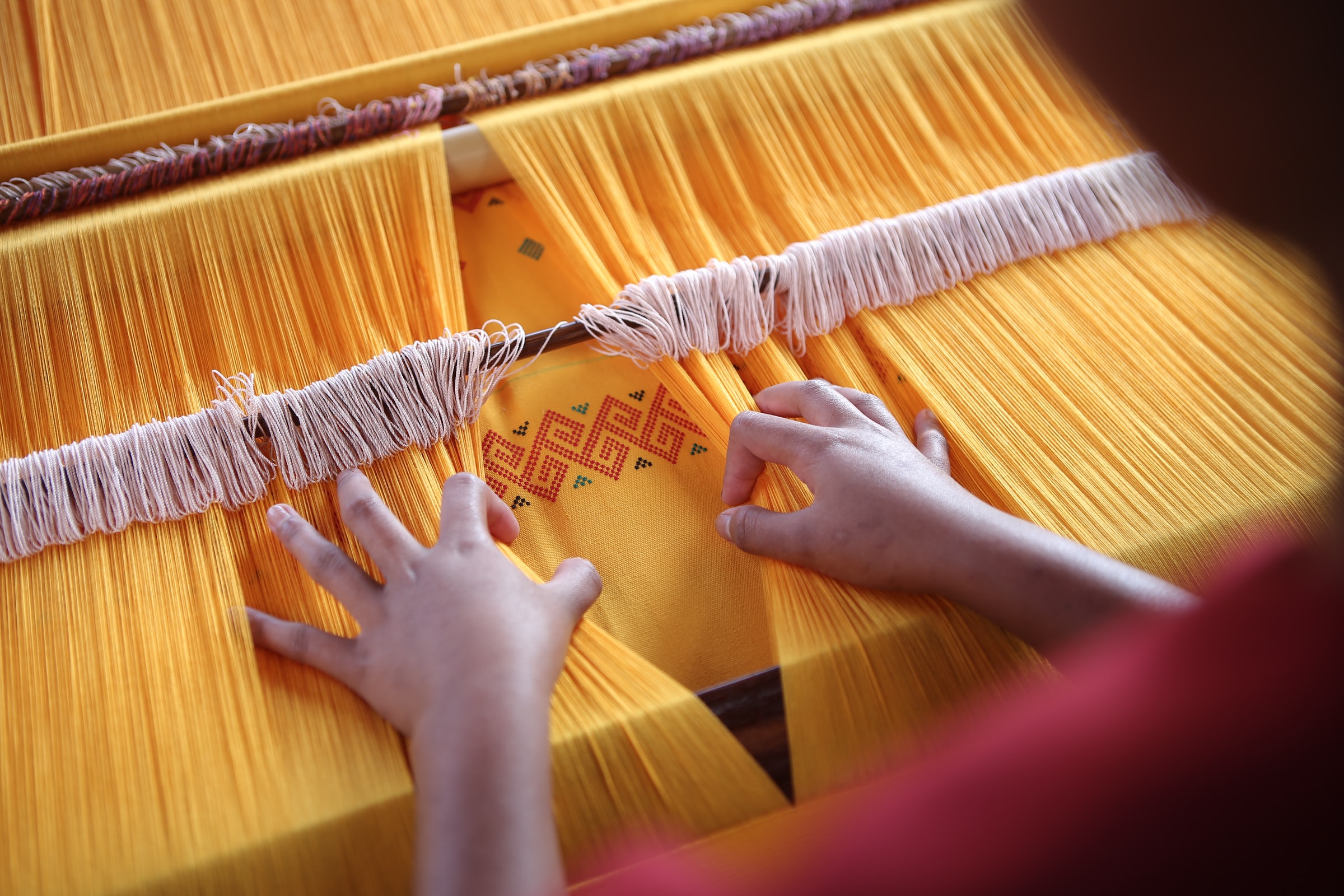
traditional craftsmanship (weaving, pottery, wooden shipbuilding)
3. Natural Heritage refers to natural landscapes or elements that hold cultural, spiritual, and/or historical value for a community. It includes:
sacred forests, mountains, or springs
landforms associated with legends or traditions
cultural landscapes (e.g., traditional agricultural areas, monumental landscapes)
natural ecosystems intertwined with human practices and worldviews
Since 2003, UNESCO has recognised Intangible Cultural Heritage as a key pillar of cultural identity, while also protecting both World Cultural Heritage Monuments and World Natural Heritage Sites, highlighting the importance of the harmonious coexistence of cultural and natural values.
Culture: multifaceted and multidimensional
Culture is not confined to a narrow or elitist understanding. On the contrary, we must acknowledge its complex nature and approach it as a social right, a common good, and a living process with a participatory approach and a sustainable perspective, so that:
Every individual and every community are recognised as agents of culture.
Cultural creation and management are not the exclusive domain of “experts”.
Society as a whole is engaged in preserving, practicing, and passing on culture
The Culture of Peripatos
For us, who are active in this field -whether it concerns cultural heritage or contemporary cultural practices- culture means relationship, action, and care, and that we work with:
complex sets of meaning – not just objects
people and communities – not only buildings or institutions
evolving identities – not static structures
dynamic environments of participation, inclusion, and co-creation.